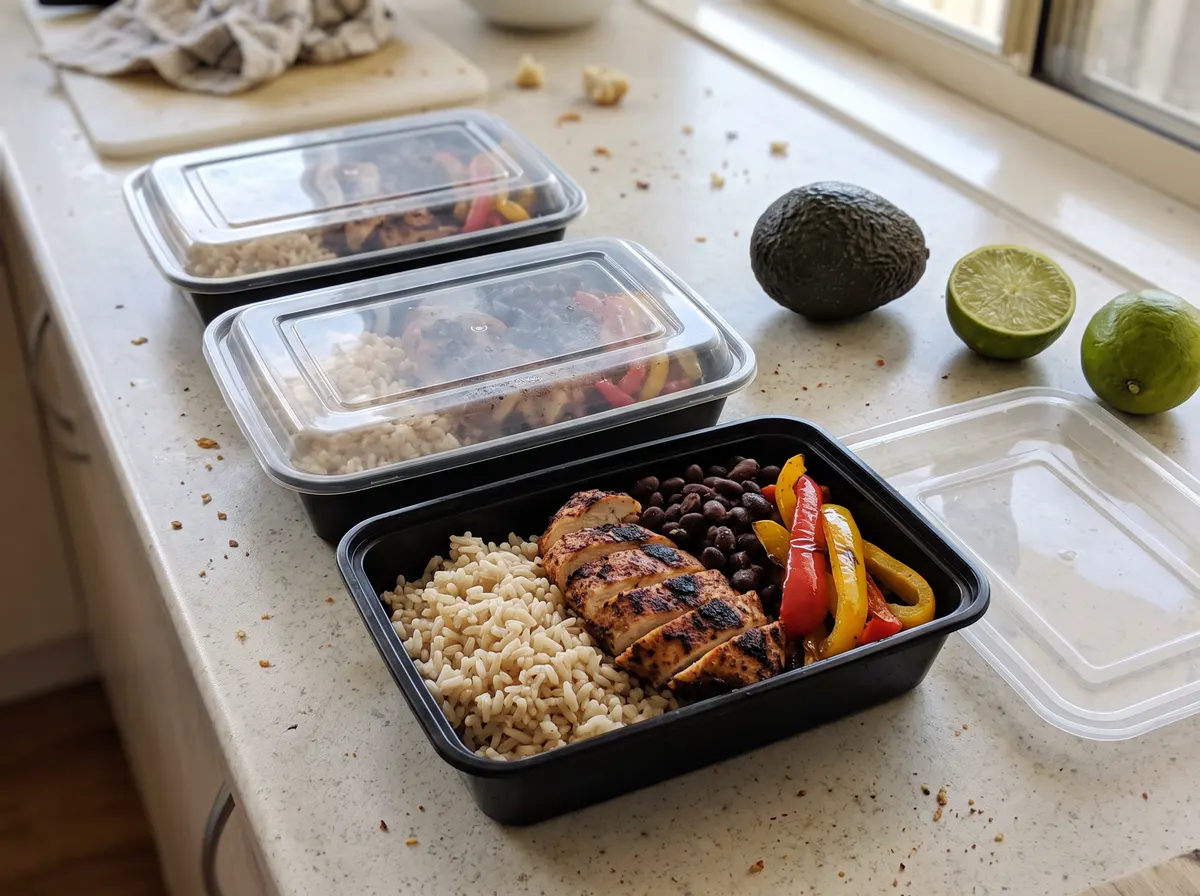
What trainers wish you knew: your gym goals are won in the kitchen
You can train hard five days a week and still stall. Trainers will tell you the missing piece is usually food, and meal prep is the simplest way to fix it.
Spend enough time around personal trainers and you'll hear the same line again and again: you can't out train your diet. It sounds like a fridge magnet, but it holds up. Training gives your body the reason to change. Food gives it the material to do it.
Trainers see the same pattern all the time. Someone turns up keen, trains hard, never misses a session, and after a couple of months the scales and the mirror haven't moved much. The workouts were fine. What happened in the other 23 hours of the day wasn't.
The four food problems trainers see most
Not eating enough protein
Protein is what your body uses to repair and build muscle after training. Lots of people eat plenty of it at dinner and very little at breakfast and lunch. Trainers will usually suggest spreading it across the day, with a decent serve at each meal, rather than one giant steak at night. That's much easier when lunch is already made and you know roughly what's in it.
Not eating consistently
Eating well on Monday and Tuesday, then running on coffee and vending machine snacks by Thursday, is incredibly common. The body responds to what you do most of the time, not on your best days. Consistency beats perfection, and meal prep is basically consistency in a container.
Guessing at calories
Whether the goal is building muscle or losing fat, the amount you eat matters. Most people underestimate how much they eat when they're grabbing food on the go, and overestimate it when they're being "good". When your meals are cooked to a plan, you're not guessing anymore. You know a lunch is around 600 calories and has a solid hit of protein because that's how it was built.
Skipping the meal after training
You finish a late session, you're tired, there's nothing in the fridge, and suddenly dinner is toast or nothing at all. Trainers hate this one. Having a proper meal ready to reheat in three minutes removes the excuse completely.
Why meal prep fits training so well
Trainers will tell you the best plan is the one you'll actually follow. A fridge full of meals you like is very easy to follow.
Meal prep solves the boring logistics of eating well. It turns a goal like "eat more protein and stay roughly on target" into something that happens automatically. You make the decisions once, on a calm Sunday, and then the week runs itself.
It also makes adjusting simple. If you're trying to gain, you can make portions bigger with more of the protein and more of the carbs. If you're leaning out, you trim the carbs a little and keep the protein up. Small changes, made once, applied to every meal that week.
What a good training week of food looks like
- A breakfast with real protein, not just toast and coffee.
- Lunches that keep you full through the afternoon and before training.
- Dinners that work as a recovery meal, with protein, carbs and veg.
- A snack or two that bridge the gap so you don't arrive at the gym running on empty.
None of that is complicated. It just needs to be ready when you are.
A quick word of caution
Everyone's body and goals are different. If you're dealing with a health condition, an injury or a specific medical goal, a doctor or a registered dietitian is the right person to set your targets. Meal prep is how you follow the plan, not a replacement for one.
Making it easy
Prep Buddy lets you pick a calorie range per meal (light, regular or hearty) and resizes recipes to fit, mostly by adding or trimming the protein and carbs. It shows the protein in every meal and plans your prep day, so the food side of your training is sorted before the week begins.
The gym is where you do the work. The kitchen is where it pays off.