Why you're not hitting your gym goals (it's probably not the gym)
Training hard but not seeing results? The usual culprits are food, sleep and consistency, not your program. Here is how to spot which one is holding you back.
You're turning up. You're lifting heavier than you were three months ago. You've even started stretching, which feels very grown up. So why does the mirror look exactly the same?
If that sounds familiar, you're in good company. Stalled progress is one of the most common frustrations in any gym, and it's rarely because someone picked the wrong program. Most of the time the answer sits outside the gym entirely.
Reason one: you're not eating for your goal
This is the big one. Your body needs the right amount of food to change, and the right amount depends on what you're after.
- Building muscle usually needs enough total food plus a good amount of protein spread across the day. Many people trying to "bulk" are actually eating far less than they think, especially on busy days.
- Losing fat usually needs a modest, steady shortfall. Crash dieting tends to backfire, because you get hungry, tired and eventually raid the pantry.
- Getting fitter or stronger still needs fuel. Training on empty leads to flat sessions and slow recovery.
The common thread is that guessing doesn't work very well. When meals are grabbed on the run, it's almost impossible to know whether you're on target.
Reason two: your weekdays and weekends don't match
Plenty of people eat brilliantly from Monday to Thursday, then Friday drinks turn into Saturday brunch, which turns into Sunday's "might as well". Two or three days off plan every week can quietly cancel out the effort of the other four. You don't need to be perfect at the weekend. You just need the weekend not to undo the week.
Reason three: you're not recovering
Muscle is built while you recover, not while you train. That means sleep, rest days and food after your session. If you train hard and then skip dinner because you're too tired to cook, your body misses the material it needs to rebuild. This is where having a meal ready to reheat genuinely makes a difference.
Reason four: you're changing too much, too often
Switching programs every three weeks, jumping between diets, starting again every Monday. Progress needs time and repetition. The people who get results are usually the ones doing simple things for a long time, not clever things for a short time.
How meal prep fixes most of this
Results come from what you do most of the time, not what you do on your best day.
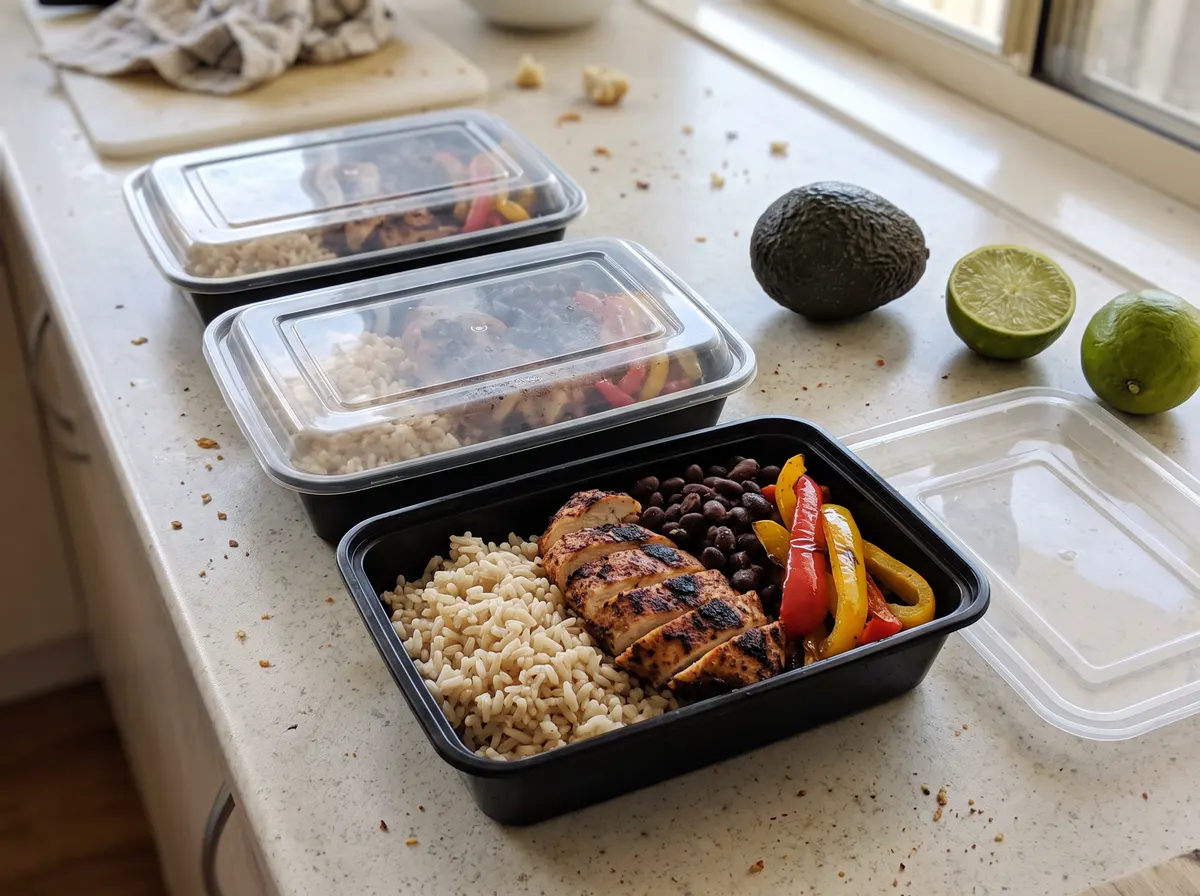
Meal prep doesn't make you train harder. What it does is make the eating side boringly reliable. When your meals are cooked to a plan, you know roughly how many calories and how much protein you're getting. You've got a proper meal ready after training. And you're not making food decisions when you're tired and hungry, which is exactly when they go wrong.
It also gives you something to adjust. If you're not gaining, make the serves a bit bigger. If you're not leaning out, trim the carbs a little. Because every meal comes from the same plan, small tweaks actually show up.
A simple four week test
- Prep your lunches and dinners for the work week, every week, for four weeks.
- Pick portions that match your goal and keep them steady.
- Keep training the same way you are now.
- Check in at the end of the month.
If you've been stuck, this is often enough to get things moving again. If it isn't, that's useful too. It tells you the next thing to look at is sleep, stress or the program itself, and a coach or dietitian can help you work out which.
Let the plan do the heavy lifting
Prep Buddy builds a week of meals around your calories and budget, shows the protein in every serve, and resizes recipes up or down to fit, mostly by changing the chicken, tofu or rice rather than the whole dish. You bring the effort in the gym. We'll make sure dinner is sorted.