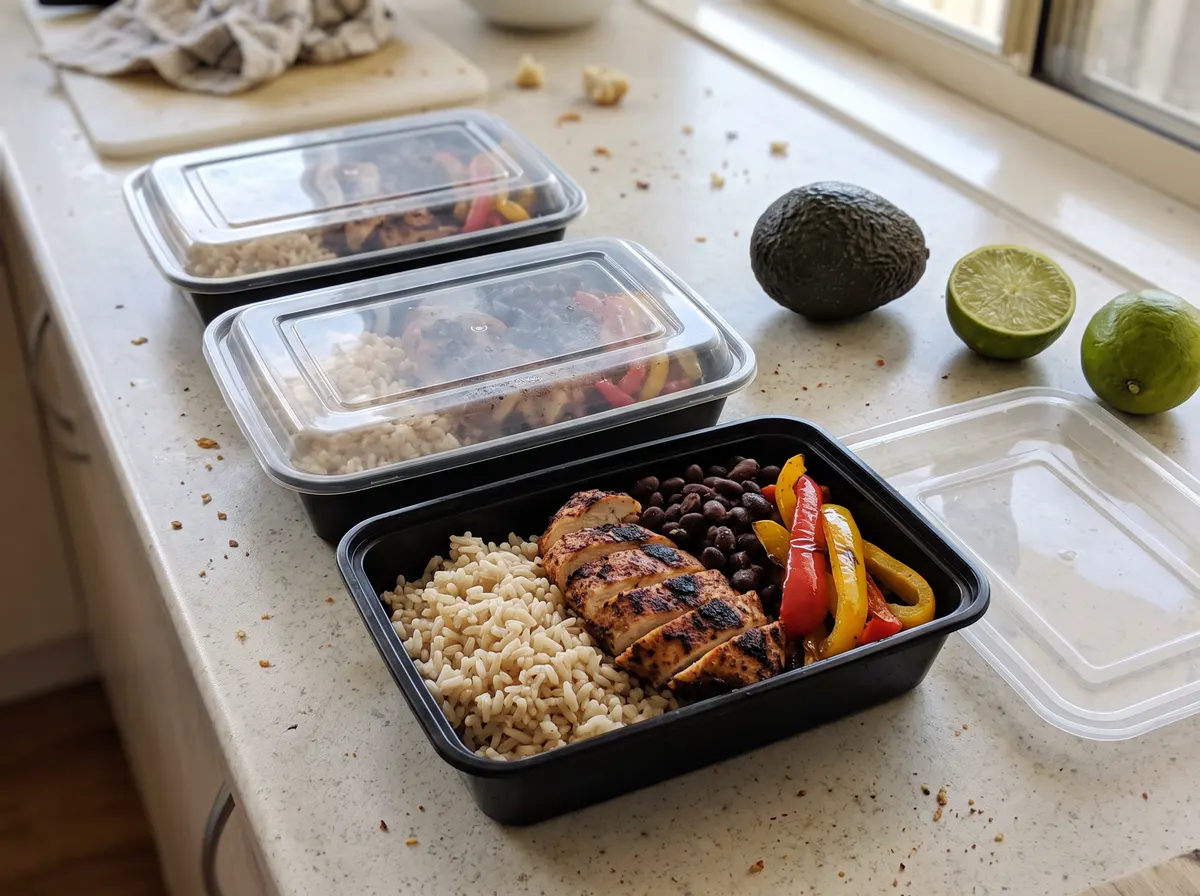
Why meal prep matters more when groceries cost this much
When the weekly shop keeps creeping up, the biggest savings come from wasting less and buying smarter. Here is how meal prep helps you spend less without eating sad.
If the weekly shop feels like it costs more every time you go, you're not imagining it. Food is one of the few bills you can actually change week to week, which makes it the first place most households look when money gets tight.
The good news is you don't have to live on two minute noodles to spend less. Most of the savings come from two things: wasting less food, and spending less on food you didn't plan to buy.
Where the money actually goes
It's rarely the big shop that hurts. It's the leaks around it.
- Food that goes in the bin. Half a bag of salad, the coriander you used once, the leftovers nobody claimed.
- The top up shops. Popping in for milk and walking out with forty dollars of "while I'm here".
- Buying lunch. A few dollars here and there turns into a surprisingly large number by the end of the month.
- Takeaway when you're tired. Not because you wanted it, but because there was nothing ready.
Meal prep tackles all four at once.
Buy to a plan, not a mood
When you know exactly what you're cooking for the week, you buy exactly what you need. One shop, one list, no wandering. You can also buy the bigger, cheaper packs with confidence, because you know every bit of them has a job to do.
The trick is planning in real pack sizes. A recipe might want 150g of spinach, but the shop sells 120g bags. If your list doesn't account for that, you end up buying two bags and binning one. Planning a whole week together lets ingredients overlap, so the second half of the spinach goes into Wednesday's curry instead of the compost.
Cook once, waste less
Cooked food that's portioned and labelled straight away gets eaten. Leftovers that sit in a random container at the back of the fridge do not. Batch cooking also lets you freeze a few portions on the day, which gives you a stash for the nights that would otherwise end in takeaway.
Cheap doesn't have to mean boring
Some of the best meal prep food happens to be the most affordable. Lentils, beans, chickpeas, kūmara, rice, oats, eggs, frozen veg and chicken thighs are all wallet friendly and hold up brilliantly in the fridge. Add a good spice mix or a curry paste and you're eating better than most food courts for a fraction of the price.
The cheapest meal is the one you already paid for and actually ate.
Know the cost of every meal
It's much easier to stick to a budget when you can see it. If you know your lunch costs around four dollars and the one downstairs costs fifteen, the choice gets easy. Knowing the cost per serve also helps you balance the week. A slightly pricier salmon dinner is fine when it sits next to a very cheap chilli.
A budget friendly prep week
- Choose two or three recipes that share ingredients.
- Mix one or two cheaper staples (beans, lentils, eggs) with one protein you love.
- Shop once with a list rounded to real pack sizes.
- Freeze a couple of portions for emergency nights.
- Keep the fresh, delicate bits for the day you eat them.
Let the maths do itself
Prices change from store to store and week to week, so any plan is an estimate. But a good estimate beats guessing every time. Prep Buddy costs every meal in your own currency using average supermarket prices where you live, lets you pick a price range per meal, and writes a shopping list in real pack sizes so there's less left over at the end of the week.
Spending less on food isn't about eating sad. It's about eating on purpose.